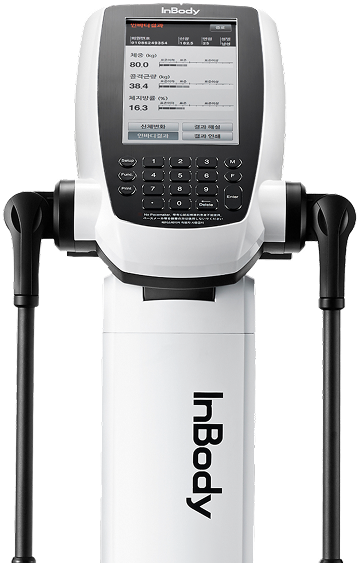


Body
composition explained
What is
body composition?
What is
body composition?
Modern
Health assessment
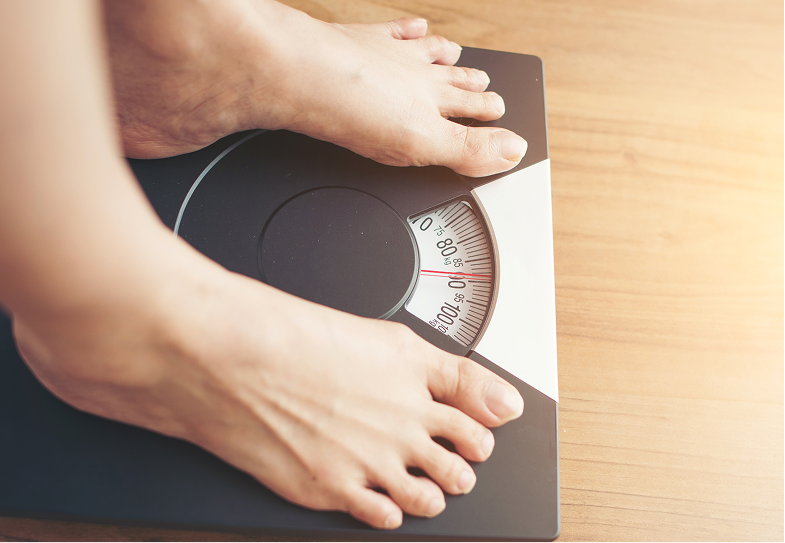
If you are thinking about improving your health or tracking your weight, you may instinctively step on a scale or calculate your BMI. But these two numbers say very little about your actual body composition. They do not distinguish between muscle and fat, and they do not show changes in the tissue beneath the surface.
If you want to improve your health, the focus should be on reducing excess fat and building or maintaining healthy muscle mass. Body weight and BMI do not make this distinction.
This is where body composition analysis comes in: modern technology can determine what your body is actually made of, supporting stronger and more personalized health outcomes.

Why
body composition matters
Body composition (fat, muscle, bone, and water) not only provides a more accurate picture of your current condition, but also gives you concrete, usable data to set goals, plan actions, and monitor meaningful progress.
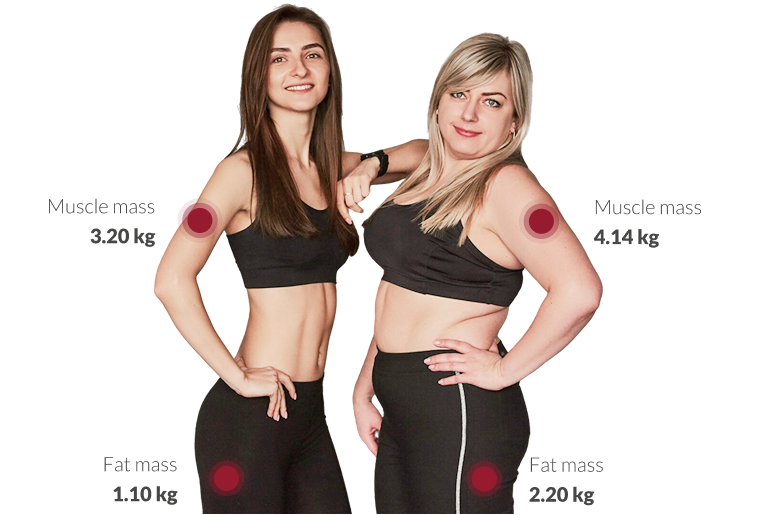
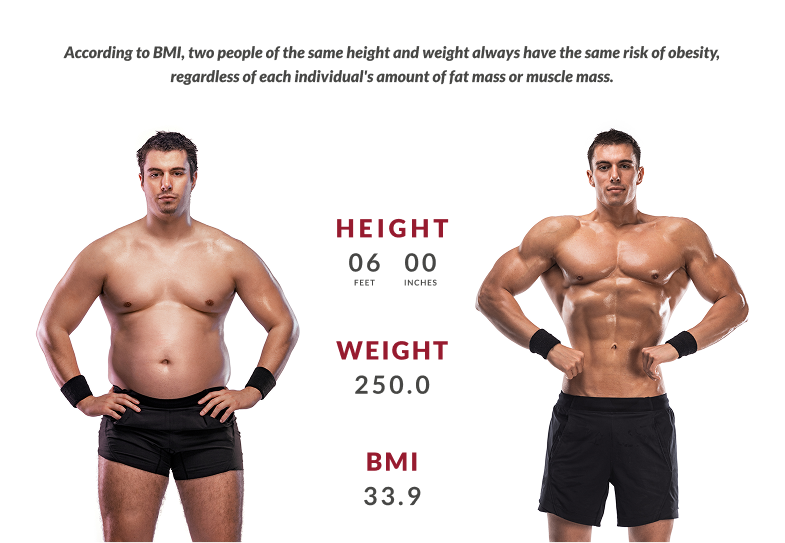
Two people can have the same weight and height yet look and function very differently because their body composition is completely different.
In today’s healthcare landscape, where obesity and related diseases are increasingly common, understanding body fat percentage is especially important. But it is not only about fat.
Muscle mass, bone mineral content, fluid distribution, and overall tissue health also influence health outcomes, especially when body composition analysis is used in medical, sports, rehabilitation, or corporate health programs.
Why
distinguish between fat mass and muscle mass?
Health professionals agree that excessive body fat accumulation carries significant health risks, including high blood pressure, elevated blood lipids, type 2 diabetes, cardiovascular disease, respiratory problems, gallbladder disease, and many other adverse outcomes.
At the same time, very low body fat or reduced muscle mass (sarcopenia) can carry risks of their own, from weaker bones and impaired metabolism to more frequent hospitalizations and reduced physical resilience.
If you focus only on being thin, you may miss the bigger picture. Being thin, or having a low body weight, is not the same as being healthy.
What truly matters is the relationship between fat-free mass (muscle, water, and bone) and body fat. True health comes from building and maintaining lean body mass, not simply from being slim.
What your body is made of besteht ...
Water
The human body is made up mostly of water. Body fat, muscles, blood, and other body fluids also contain water.
Protein
Reflects the protein content in your muscles, organs, and bones.
Minerals
Your body contains minerals, found mainly in two places: the bloodstream and the bones.
Fat
Serves as stored energy, protects your internal organs, acts as insulation, and helps regulate body temperature.
BMI
is outdated
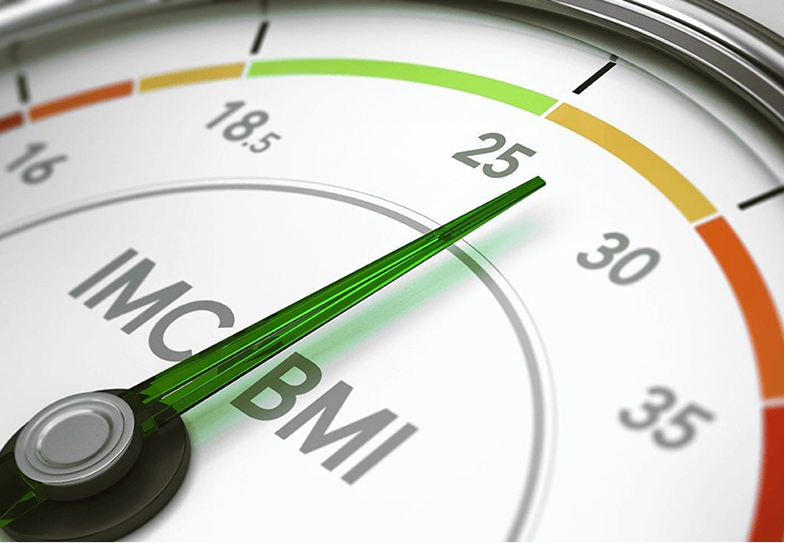
BMI is still widely used in healthcare because it is easy to calculate: weight divided by height squared (kg/m²).
One of BMI’s main limitations is that it cannot distinguish between fat mass and muscle mass, nor can it meaningfully track changes in body composition over time. Even two people with the same height and weight receive the same BMI value, regardless of how much fat or muscle they actually have.
Because BMI is based on a single number, it oversimplifies health-risk assessment and ignores important factors that contribute to good health.
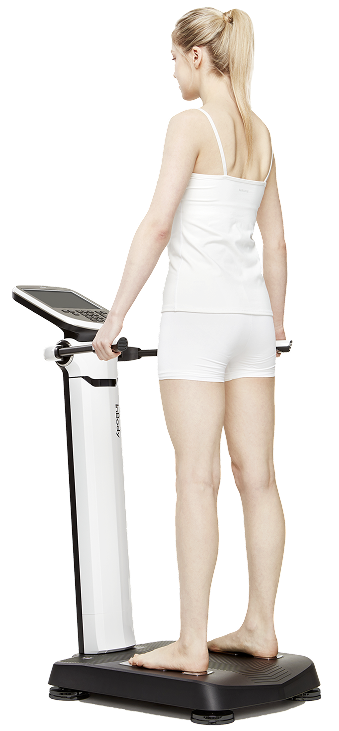
More advanced technologies, such as segmental bioelectrical impedance analysis (BIA), provide much more meaningful insights into body composition.
Focus on
body fat percentage
The risks of ignoring your body composition
A healthy balance between muscle mass and body fat is essential for quality of life, longevity, and performance.
Research shows that better body composition is associated with a lower risk of cardiovascular disease, cancer, diabetes, insulin resistance, and other chronic diseases.
It also helps increase energy levels, improve physical performance, and strengthen confidence.
Complications of obesity
- Früher Tod
- Cardiovascular disease
- High blood pressure
- Diabetes
- Gallbladder disease
- Krebs
- Arthritis
- Rückenschmerzen
- Pregnancy complications
- Menstrual disorders
- Shortness of breath
- Sleep apnea
- Increased LDL and triglycerides
- Reduced HDL
- Reduced heart function
Complications of low body fat percentage
- Poor insulation
- Low energy storage
- Reduced protection of organs from impact
- Reduced cardiovascular function
- Increased susceptibility to illness
- Poor recovery after exercise/illness
- Low testosterone levels
- Schwache Muskeln
- Verlust von Knochendichte
- Amenorrhea
Complications of low muscle mass (sarcopenia)
- Frailty
- Undernutrition
- Poor insulin sensitivity / poor blood sugar control
- Increasing metabolic problems
- Osteoporosis
- Hormonal disorders
- Low strength
- Increased risk of hospitalization / longer hospital stays
Methoden der body compositionsanalyse
Choosing the right body composition analysis solution depends on your setting, goals, and professional requirements. Our InBody specialists will be happy to help you find the most suitable device for your organization.
Whether you work in healthcare, fitness, corporate health management, or research, we help you select a solution that fits your needs and delivers meaningful results.
Contact an InBody specialist to explore your options.